Pages
Research Must Drive Innovation and Transformation: Key Insights from Prof. Augustus Nuwagaba at the UCU Annual Research Symposium
Research is not simply an academic exercise or a pursuit of publication numbers; it is a powerful instrument for generating knowledge, driving innovation and addressing society's everyday challenges. At the opening of the Uganda Christian University (UCU) Annual Research Symposium, Prof. Augustus Nuwagaba, Deputy Governor of the Bank of Uganda and Day One keynote speaker, challenged researchers, innovators and industry players to rethink the purpose, relevance and impact of research. His message was clear: research must move beyond academic spaces to become a catalyst for meaningful socio-economic transformation.
Archived 6 November 2026
Read preserved content
Research Must Drive Innovation and Transformation: Key Insights from Prof. Augustus Nuwagaba at the UCU Annual Research Symposium
Research, Innovation and Scholarship
What is the true purpose of research? Is it simply to generate academic publications, fulfil institutional requirements or advance individual scholarly careers? Or should research be measured by its ability to solve real-world problems, inspire innovation and transform communities?
These were among the thought-provoking questions raised during the opening day of the Uganda Christian University (UCU) Annual Research Symposium, held under the theme "Research, Innovation and Scholarship".
The symposium brings together researchers, scholars, students, innovators and other stakeholders to showcase home-grown, groundbreaking research and innovative projects while creating opportunities for knowledge exchange, collaboration and meaningful engagement.
Delivering the keynote address on Day One, Prof. Augustus Nuwagaba, Deputy Governor of the Bank of Uganda, challenged participants to rethink the purpose of research and its contribution to national development and societal transformation.
1. Research should solve today's challenges
One of the strongest messages from Prof. Nuwagaba's address was that research should never be undertaken simply because one has nothing else to do. Rather, it should be driven by the desire to acquire knowledge, generate new ideas and develop innovative solutions to the challenges confronting society.
His message reinforced the importance of connecting academic inquiry with practical realities. Research must go beyond theoretical discussions and become a foundation for solutions that improve everyday life.
For researchers and students, this presents an important challenge: What problem is your research seeking to solve, and how will the knowledge generated make a difference?
2. Excellence begins with understanding what you do.
Prof. Nuwagaba also emphasised the importance of professional competence, consistency and excellence.
He encouraged participants to understand their areas of work, develop mastery, become recognised for the quality of their contributions and remain committed to doing good.
The message was simple but powerful: excellence is not achieved through occasional effort. It is built through continuous learning, dedication and a commitment to delivering quality in whatever one does.
For the academic community, this speaks to the importance of cultivating a culture where quality scholarship, professional integrity and continuous improvement are valued.
3. Scholarly engagement goes beyond publication counts.
Another significant takeaway was the need to broaden how universities and researchers understand scholarly engagement.
Prof. Nuwagaba highlighted four important dimensions:
- Discovery: Generating new knowledge through research, inquiry and exploration.
- Integration: Connecting knowledge across disciplines and bringing together different perspectives to address complex challenges.
- Engagement: Sharing and applying knowledge through meaningful interaction with communities, industry, government and other stakeholders.
- Doing: Translating knowledge into practical action, innovation and solutions.
This perspective challenges institutions and researchers to look beyond publication statistics and consider the wider contribution of scholarship.
Research should not end when a paper is published. Its value is also demonstrated through the knowledge it transfers, the partnerships it creates, the innovations it inspires and the lives it improves.
4. Four critical questions challenging researchers and industry.
Perhaps one of the most important aspects of the keynote address was the four questions that Prof. Nuwagaba placed before researchers, innovators, universities, government and industry.
These questions remain central to the future of research and innovation:
A. How do we generate sustainable financing for research?
How can universities and research institutions establish reliable and sustainable funding mechanisms that support meaningful research, experimentation and innovation beyond short-term funding cycles?
B. How do we generate a robust impact pathway for research results?
How can research findings move from academic publications and project reports into practical applications, policies, products and services that deliver measurable benefits to society?
C. How do we build effective bridges between universities, governments and other knowledge users?
How can stronger partnerships be developed to ensure that research responds to real needs, informs decision-making and creates opportunities for collaboration between academia, industry, government and communities?
D. Why is the research being done not correlating with socio-economic transformation?
Despite the considerable research taking place within universities and other institutions, why does this not always translate into the level of social and economic progress expected? What needs to change to bridge the gap between knowledge generation and practical impact?
These questions provide an important agenda for researchers, policymakers, university leaders and industry players, both present and future.
5. The quote of the day: "No one can be transformed from without."
This powerful statement captured another central message of the keynote address.
Transformation must begin from within. Meaningful change cannot simply be imposed externally; it requires a shift in mindset, commitment, institutional culture and individual responsibility.
For universities, this means cultivating environments that encourage critical thinking, creativity, innovation, research excellence and the practical application of knowledge.
For researchers and students, it means recognising that they are not merely recipients or consumers of knowledge but active contributors to the solutions and innovations that society needs.
6. The Library's role in advancing research, innovation and scholarship
As the academic community reflects on these discussions, the university library remains an important partner in the research and innovation ecosystem.
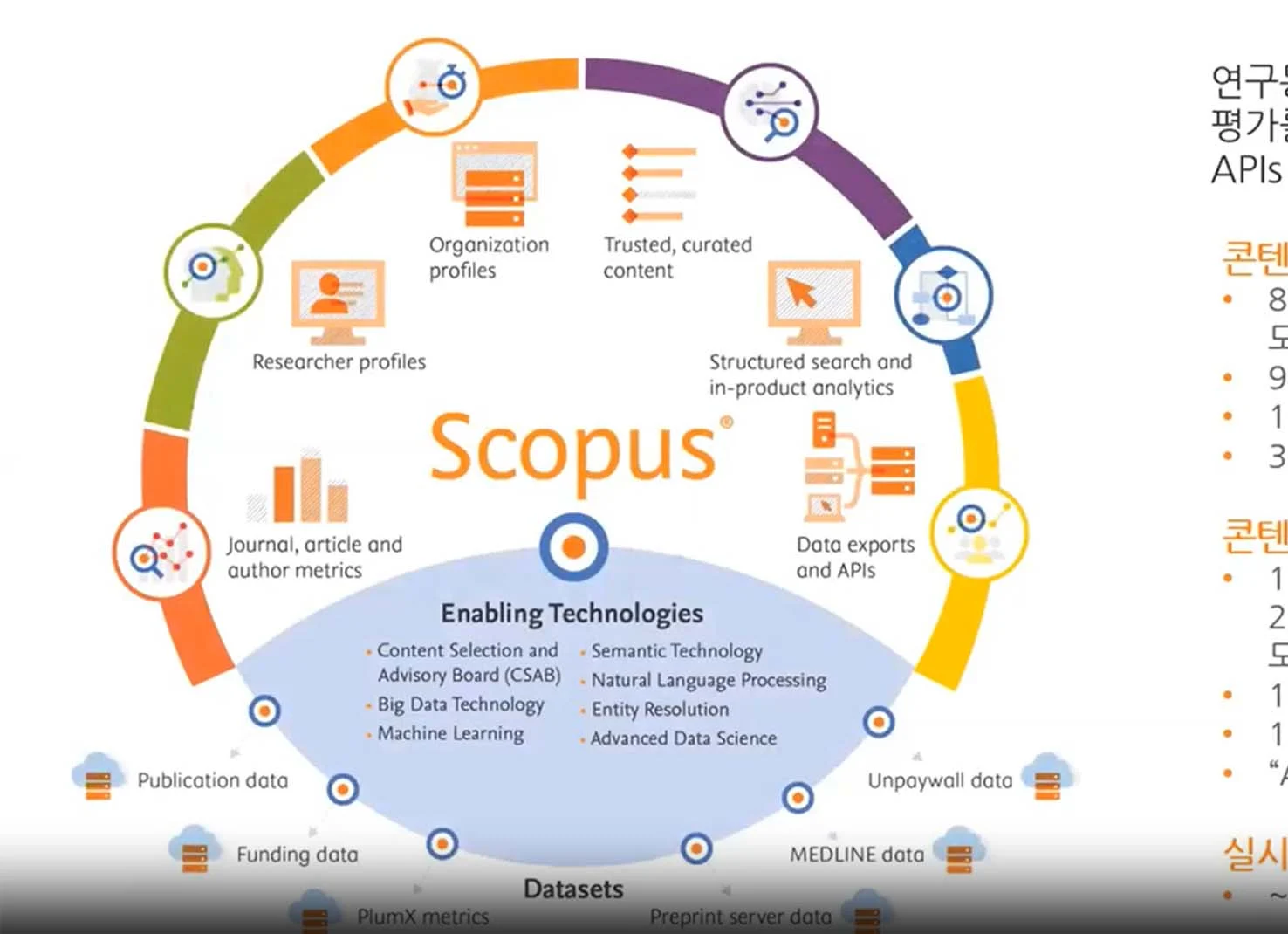
Beyond providing access to information resources, the library supports the entire research journey through access to scholarly databases and e-resources, research information literacy, digital scholarship, research discovery, knowledge management, academic publishing support and opportunities for interdisciplinary collaboration.
In an increasingly AI-driven and digitally transformed academic environment, libraries also have an important responsibility to equip researchers and students with the skills to discover, evaluate, use and communicate information responsibly.
At Uganda Christian University, the symposium provides an opportunity to reaffirm the importance of connecting research, scholarship and innovation with the University's wider mission of developing competent, ethical and transformative leaders.
7. Moving from knowledge to action
The conversations from Day One of the UCU Annual Research Symposium leave the academic community with a fundamental responsibility: to ensure that research does not remain confined to conference presentations, journal publications and institutional repositories.
It must inform decisions, inspire innovation, strengthen partnerships and contribute to solutions that address the challenges facing communities and the nation.
As researchers, students, scholars, innovators and industry stakeholders continue engaging under the theme Research, Innovation and Scholarship, the challenge is to turn knowledge into action and scholarship into meaningful impact.
The ultimate measure of research is not only what we discover, but what we do with that discovery to transform society.
What problem is your research solving? What innovation is it inspiring? And how is it contributing to the transformation of society?
These are questions worth carrying beyond the symposium.